
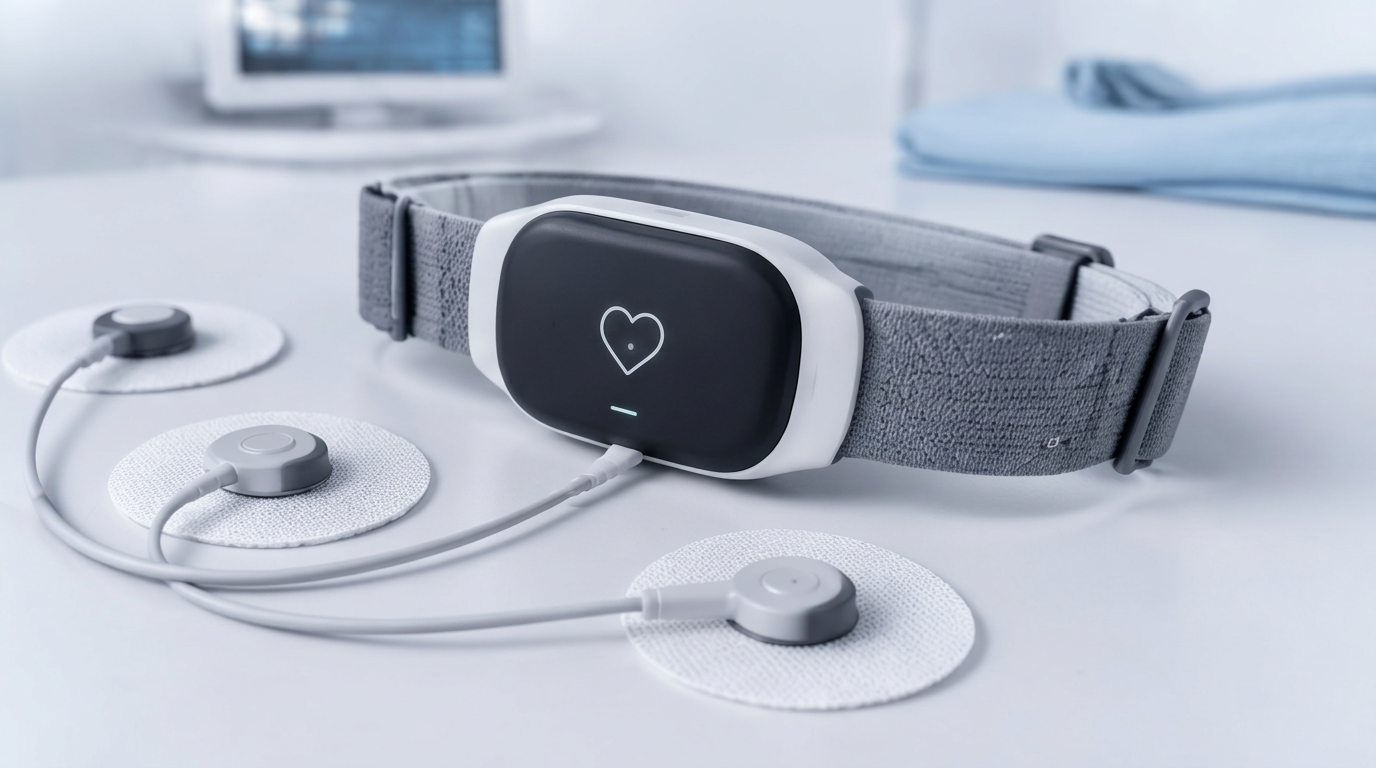
Medical device investing sits at the intersection of engineering, clinical medicine, and regulatory strategy. Unlike therapeutics, device companies often reach commercial revenue faster, but they face their own gauntlet of FDA pathways (510(k), De Novo, or PMA), reimbursement coding, and clinical evidence generation. The investors who do this well tend to have deep networks among physicians, hospital systems, and device-industry operators. Here are nine firms actively backing medical device startups in 2026.
OrbiMed
OrbiMed is a New York-based healthcare investor with a dedicated medical device and diagnostics practice alongside its biopharma work, investing from early through growth stage. OrbiMed led Inspire Medical Systems' $40 million Series E financing, with OrbiMed partner Chau Khuong joining the company's board, and has also backed the sacroiliac-joint device maker SI-BONE alongside Novo A/S.
New Enterprise Associates (NEA)
New Enterprise Associates runs a long-standing medtech investing practice from its Menlo Park and Chevy Chase offices, spanning seed through growth-stage rounds. NEA led the Series B financing of CV Ingenuity, a drug-coated balloon company later acquired by Covidien, and was also an early investor in the endobronchial-valve maker Spiration.
Versant Ventures
Versant Ventures invests in medical devices alongside biotech from its San Francisco, Menlo Park, and Basel offices, often forming device companies in-house through incubators such as Inception and EuroVentures. Versant was a founding investor in Sequent Medical, the neurovascular device maker later acquired by Terumo for $280 million upfront, and also backed Spiration.
SV Health Investors
SV Health Investors is a Boston-based life sciences specialist investing across biopharma, medtech, and digital health from seed through growth. The firm's medtech practice has backed companies including CardioKinetix, a heart-failure device maker, and CHF Solutions, both listed among its exited portfolio investments.
Deerfield Management
Deerfield Management is a New York-based healthcare investment firm spanning venture, growth, and public markets, with a significant medtech portfolio. Deerfield was a long-standing major shareholder in Shockwave Medical, the intravascular lithotripsy company Johnson & Johnson acquired in 2024 for approximately $13.1 billion, and has also held a board seat at the mapping-catheter company Acutus Medical.
Domain Associates
Domain Associates invests from Princeton, New Jersey across biopharma and medtech, typically at early stage. Domain led the $15.6 million Series B financing of Sequent Medical and was a return investor, alongside NEA, in Carticept Medical's orthopedic injection system financing.
Vivo Capital
Vivo Capital is a Palo Alto-based healthcare investor spanning venture and private equity strategies, with medical device investments alongside biopharma and healthcare services. Vivo has invested in Scientia Vascular, a neurovascular guidewire maker, and in SentreHEART, a tissue-closure device company that was later acquired by AtriCure.
Lightstone Ventures
Lightstone Ventures invests in early-stage biopharmaceutical and medical device companies from its Menlo Park and Boston offices. The firm's device portfolio includes Fire1, which closed a $120 million Series B in 2025, and Shoulder Innovations, which completed its IPO on the NYSE.
Delos Capital
Delos Capital is a Cambridge, Massachusetts-based life sciences investor with offices in Hong Kong, investing across therapeutics and medtech through its own venture-creation platform. Delos's medtech portfolio includes Baronova, which develops non-surgical weight-loss devices, and Apama Medical, an ablation catheter company that was acquired by Boston Scientific.
What device founders should prepare for
Medical device fundraises require a clear articulation of your regulatory pathway and reimbursement strategy well before investors will engage seriously — a strong pitch deck for a device company needs a regulatory and reimbursement slide that a generalist software deck would never include. Because device development often spans multiple financing rounds before FDA clearance, founders should think carefully about how liquidation preference and anti-dilution terms stack up across rounds, and keep a clean cap table as new investors come in. Many device startups also use venture debt to extend runway between regulatory milestones without excessive dilution.
Founders should also expect device-focused investors to probe deeply on reimbursement strategy. A novel device with a clear regulatory pathway can still struggle commercially if hospitals and physicians lack a dedicated reimbursement code or face ambiguous coverage decisions from payers. Being able to speak fluently about CPT codes, coverage determinations, and the health-economic evidence that will support a reimbursement submission is often what separates device companies that raise growth capital efficiently from those that stall out after clearance.
Why specialist investors matter in medtech
Generalist venture investors sometimes underestimate how different medtech diligence is from software or even biopharma diligence. Device investors typically bring in physician advisors to review clinical data, consult with reimbursement specialists on coding strategy, and lean on operating partners who have previously run FDA submissions or built device sales organizations. Founders raising from specialist medtech investors should expect a longer and more technical diligence process, but also access to a much deeper bench of domain expertise once an investor is on the cap table.
This is particularly valuable post-financing: medtech-focused firms often help portfolio companies recruit clinical advisory boards, identify early adopter physicians for post-market studies, and navigate the transition from an initial FDA clearance to broader commercial adoption. Founders should weigh this kind of hands-on operating support as heavily as valuation when choosing among term sheets.
Timing your raise around regulatory milestones
Because device financings are so closely tied to regulatory and clinical milestones, founders should plan fundraising timelines around the catalysts that will most de-risk the company in investors' eyes — such as a completed pivotal trial, an FDA submission, or an initial clearance. Raising too early, before a milestone that would meaningfully increase valuation, can leave unnecessary dilution on the table, while waiting too long can leave a company under-capitalized heading into a critical regulatory review.
Closing thoughts
Medical device investors want to see rigorous engineering, a credible regulatory plan, and a realistic reimbursement model before they'll commit capital. Quantum Growth Advisors helps device founders prepare for Series A and growth-stage raises with investors who understand the sector's unique timelines. If you're building a device company and planning a raise, book a free consult with our team.