
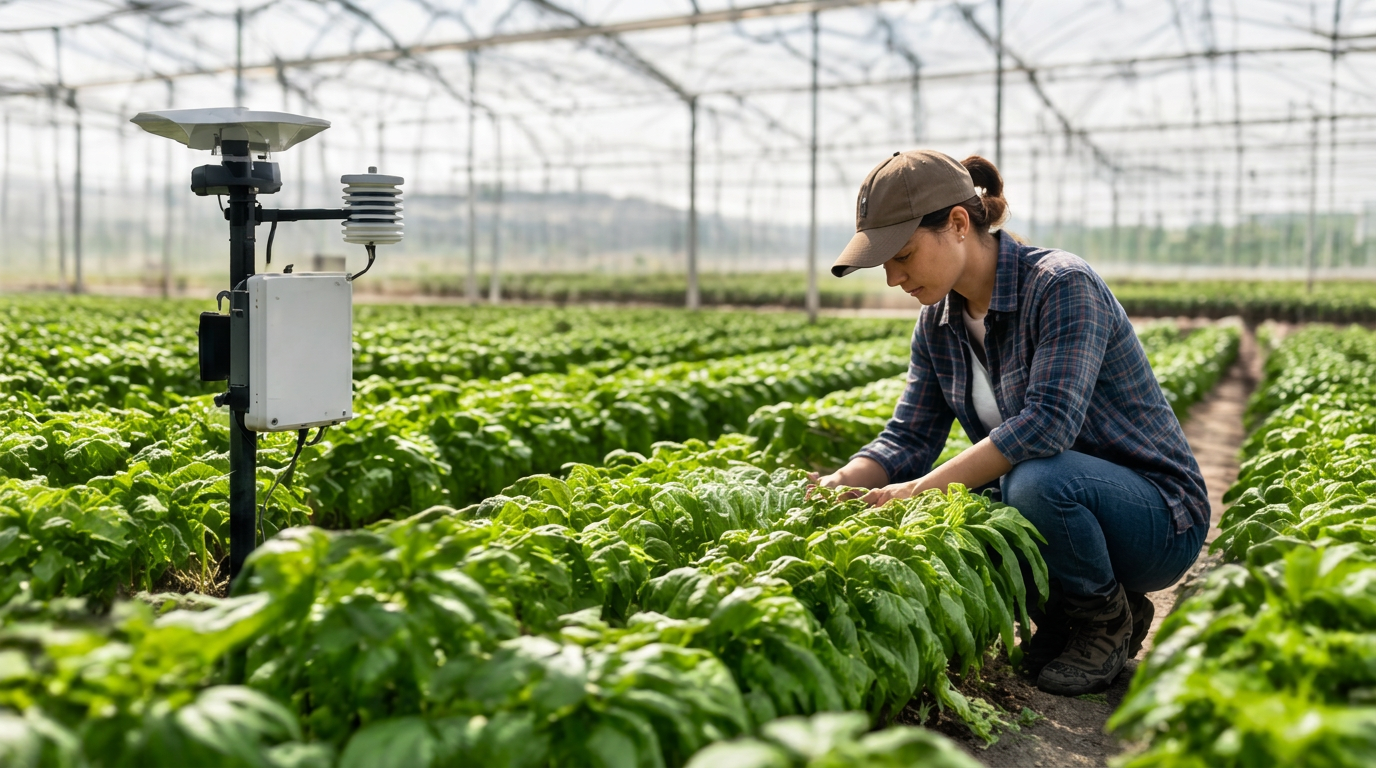
The food and agriculture sector sits at the intersection of some of the biggest challenges of the next decade: feeding a growing population, building resilient supply chains, and decarbonizing one of the world's largest industries. Venture capital has become an increasingly important source of capital for founders tackling these problems, from precision agriculture to alternative proteins to supply-chain software for farmers and food companies. Below is a look at active venture firms investing in food and agriculture technology, along with what they look for and who they've backed.
S2G Ventures
Based in Chicago, S2G Ventures (now operating as S2G Investments) was founded in 2014 by Victor Friedberg and is a key part of Lukas Walton’s Builders Vision platform. Managing over $2.8 billion, S2G is a multi-stage firm that invests across the "seams" of the food, agriculture, energy, and ocean systems. What distinguishes S2G is its "systems-thinking" approach, recognizing that agricultural production is deeply interconnected with climate and energy. They provide capital from seed to growth stages, focusing on market-based solutions that improve both environmental and human health outcomes. The firm is known for its deep sector expertise and active impact measurement, publishing an "Impact Playbook" to guide its portfolio companies. Notable portfolio companies include Beyond Meat, the plant-based protein pioneer that achieved a landmark IPO in 2019; Apeel Sciences, which developed a plant-derived coating to double the shelf-life of produce and has raised over $700 million; and Benson Hill, an agrifood tech firm utilizing gene editing to improve crop nutrition that went public via SPAC in 2021. By fostering innovation across the full "farm-to-fork" supply chain, S2G has become a primary architect of a more resilient and sustainable global food system.
Finistere Ventures
Headquartered in San Diego with a strong presence in Silicon Valley, Finistere Ventures was founded in 2005 by Arama Kukutai and Jerry Caulder. As one of the earliest dedicated agtech funds, Finistere has a global investment mandate, focusing on technologies that improve food productivity, sustainability, and nutrition. The firm manages several funds and distinguishes itself through a "global network" approach, partnering with major corporates like Bayer and Nutrien to help startups scale. Their investment thesis centers on the "Next Green Revolution," backing innovations at the nexus of biology, hardware, and digital tools. What distinguishes Finistere is its deep technical bench and its ability to bridge the gap between regional agricultural hubs in places like Israel and New Zealand and the massive North American market. Notable portfolio companies include Inari Agriculture, a leading seed-design company using CRISPR to increase yields and reduce water use; Indigo Ag, which leverages microbial technology and a carbon credit platform to improve farm profitability; and Plenty, the vertical farming giant that has redefined indoor agriculture with massive investment from SoftBank and others. By working hand-in-hand with founders on commercial strategy, Finistere helps build industry-defining companies that address the challenges of shrinking arable land and climate change.
Acre Venture Partners
California-based Acre Venture Partners was founded in 2016 by Lucas Mann, Gareth Asten, and Sam Kass (former White House Chef). Originally launched with backing from Campbell Soup Company, the firm transitioned to a fully institutional vehicle and now manages over $140 million in assets. Acre invests from pre-seed through Series B in startups creating systemic change in food and agriculture to address human and environmental health. What distinguishes Acre is its "service-business" mindset, providing deep operational support across ag robotics, biologicals, and supply-chain infrastructure. The firm believes that impact and financial returns are inextricably intertwined, focusing on solutions that make sustainability profitable and convenient. Their portfolio reflects a pragmatic belief in the power of bold ideas to reshape the world. Notable portfolio companies include farm-ng, which developed the "Amiga" modular ag-robot for small and mid-sized farms and raised a successful Series A led by Acre; Bonsai Robotics, which provides vision-based autonomy for orchards and nut groves; and Source.ag, an AI-powered platform for greenhouse management that optimizes yields and resource use. By partnering with companies that build the critical infrastructure for a healthier food ecosystem, Acre is driving fundamental change in how food is grown and distributed.
Astanor Ventures
Astanor Ventures is a Brussels-based impact investment firm founded in 2017 by Eric Archambeau and Kathleen Gummer. The firm manages over €800 million and focuses on transforming the agrifood system from "soil and sea to gut." Astanor invests across Europe and North America, targeting Series A and B companies that offer scalable solutions for biodiversity, health, and climate resilience. What distinguishes Astanor is its "Impact Intelligence" model, which uses measurable data to evaluate how investments contribute to planetary and human wellbeing. The firm is known for its patient capital and its ability to support companies through multiple stages of growth via two strategies: Astanor Venture and Astanor Growth. Notable portfolio companies include Apeel Sciences, which reduces food waste globally through edible produce coatings; Aphea.Bio, a Belgian company developing agricultural biologicals that reduce the need for synthetic fertilizers and pesticides; and Source.ag, the AI greenhouse management leader. By backing visionary founders who are committed to restoring balance to the land and oceans, Astanor is creating a more equitable and sustainable food value chain that prioritizes nature while delivering superior financial outcomes for its institutional limited partners.
Anterra Capital
With offices in Amsterdam and Boston, Anterra Capital was founded in 2013 by Adam Anders and Maarten Goossens as the first transatlantic agrifoodtech fund. Originally a spinout from Rabobank, the firm manages over $375 million and invests in biotech and digital solutions from incubation through growth stages. What distinguishes Anterra is its "biotech-first" approach, applying the rigor of drug development to agricultural challenges like crop protection and animal health. They often incubate companies internally, as seen with Enko Chem. The firm leverages a unique network of strategic partners, including Rabobank and Fidelity International, to provide startups with unparalleled access to global customers and technical experts. Notable portfolio companies include ProducePay, a financial and data platform that has facilitated billions in produce transactions by providing liquidity to growers; BiomEdit, an animal health leader leveraging microbiome science for next-generation biotherapeutics; and Caribou Biosciences, the CRISPR pioneer that went public in 2021. By focusing on technically ambitious companies that leverage breakthrough biology, Anterra is building a safer, more resilient food system that empowers farmers to produce more sustainably while improving consumer access to nutritious foods.
Cultivian Sandbox Ventures
Chicago-based Cultivian Sandbox Ventures was created through a partnership between Cultivian Ventures (founded 2008 by Ron Meeusen and Andy Ziolkowski) and Sandbox Industries. The firm specializes in collaborative investment funds backed by major strategic LPs, including Archer Daniels Midland, Corteva Agriscience, and Smithfield Foods. This strategic model distinguishes Cultivian Sandbox, as it provides portfolio companies with direct access to the supply chains and R&D departments of the world’s largest food and agriculture corporations. The firm invests from seed through growth stages, focusing on technologies that improve resource efficiency, food safety, and protein production. Their team consists of experienced operators who have run Fortune 100 ag companies, providing a level of industry insight that is rarely matched. Notable portfolio companies include Vestaron, which commercializes peptide-based pesticides that are safe for pollinators and humans, having raised over $80 million with the firm’s support; and Sound Agriculture, which uses epigenetics to improve crop performance without genetic modification. By commercializing the necessary solutions to meet global megatrends in nutrition and sustainability, Cultivian Sandbox is a primary catalyst for the technological modernization of the $5 trillion global agricultural sector.
AgFunder
Founded in 2013 by Rob Leclerc and Michael Dean, AgFunder is a Silicon Valley-based venture capital firm that grew out of one of the world’s most influential agrifoodtech media and research platforms. Managing over $300 million in assets, AgFunder uses its unique "Gaia" AI platform to identify and track thousands of startups globally. What distinguishes AgFunder is its community-fueled model, leveraging a network of over 100,000 subscribers to source deals and provide market intelligence. The firm invests globally across four continents, focusing on technologies that remove structural bottlenecks in food, agriculture, and human health. They are known for their "first principles" investing approach, often backing deep-tech startups that challenge the status quo. Notable portfolio companies include The Better Meat Co., which produces mycelium-based ingredients to enhance meat products; Faeth Therapeutics, which uses precision nutrition to starve tumors as a fifth pillar of cancer treatment; and DeHaat, an Indian agri-commerce platform that provides farmers with seeds, insurance, and market access. By combining media reach, engineering depth, and disciplined venture capital, AgFunder has become a central hub for the global agrifoodtech community and a key financier for the sector’s most innovative founders.
SOSV (IndieBio)
SOSV is a global venture capital firm founded in 1995 by Sean O’Sullivan, and its IndieBio program—founded in 2014 by Arvind Gupta—is the world’s most active pre-seed biotech accelerator. Headquartered in Princeton with major lab facilities in San Francisco and New York City, SOSV manages over $1.5 billion and has backed over 800 active portfolio companies. What distinguishes SOSV and IndieBio is their "hands-on" model, providing founders with state-of-the-art bio-labs, dedicated scientific staff, and intensive mentorship to turn scientific breakthroughs into scalable businesses. They are often the "very first check" for deep-tech founders, accepting high technical risk at the earliest stages. Notable portfolio companies include Perfect Day, which pioneered animal-free dairy proteins via precision fermentation and has raised over $700 million; and UPSIDE Foods (formerly Memphis Meats), the first company to produce cultivated meat from animal cells, which achieved a billion-dollar valuation. By incubating over 300 graduates who have raised billions in follow-on capital, SOSV’s IndieBio has established itself as the premier launchpad for the next generation of health and climate companies, establishing new categories in food and materials science.
How These Firms Differ in Approach
While all of the firms above invest somewhere along the food and agriculture value chain, their stage focus and geographic emphasis vary considerably. S2G Investments and Cultivian Sandbox Ventures both operate out of Chicago and invest across a broad range of sub-sectors from seed through growth, giving them a wide aperture for deal flow in the Midwest and beyond. Finistere Ventures and Acre Venture Partners, both based in California, lean more heavily toward earlier-stage, technically differentiated bets in agtech and ag robotics. Astanor Ventures and Anterra Capital bring a transatlantic perspective, with investment teams and portfolio companies spanning both Europe and North America — a useful signal for founders who expect to expand internationally early. AgFunder and SOSV's IndieBio program, meanwhile, occupy a distinct niche: both combine capital with media, community, or lab infrastructure that can be valuable for first-time founders navigating the sector for the first time.
What Food & Ag Investors Look For
Unlike generalist consumer investors, food and agriculture VCs typically bring deep technical and scientific diligence capabilities, since many of the best opportunities in the sector sit at the intersection of biology, hardware, and software. Founders raising in this space should expect longer diligence cycles than a typical software round and should be prepared to walk investors through unit economics, regulatory pathways, and supply-chain dependencies in detail — much like the diligence rigor outlined in our guide to due diligence for startups. Many food and ag rounds are also structured with an eye toward future dilution, so understanding the capitalization table early is essential.
Because food and ag startups often require capital-intensive infrastructure — processing facilities, pilot farms, or manufacturing lines — founders should also think early about complementary non-dilutive or debt financing. Our overview of venture debt as an alternative financing option is a useful primer on how to extend runway without excessive dilution.
Many of these investors also sit on industry-specific boards, run accelerator cohorts, or publish independent research, and founders should treat that content as diligence material in its own right. Reading a fund's own investment theses, public portfolio updates, and any commentary from its partners is one of the fastest ways to gauge whether a firm's focus areas genuinely overlap with your business before you spend time pitching.
Positioning Your Company for These Investors
Food and ag VCs tend to reward founders who can clearly articulate both the scientific defensibility of their technology and the commercial pathway to market. A compelling pitch deck for this sector should lead with the problem's scale — whether that's input costs, climate exposure, or supply-chain waste — and back it up with pilot data, letters of intent, or early commercial traction wherever possible.
Founders should also be prepared to address the capital intensity of their business model directly, rather than deferring the conversation. Agtech and foodtech companies often require more capital to reach the same revenue milestones as a comparable software business, and investors in this sector are accustomed to underwriting that reality — but they expect founders to present a credible plan for how each dollar of capital converts into de-risking the business, whether that's a pilot customer commitment, a regulatory approval, or a manufacturing scale-up milestone.
Final Thoughts
The food and agriculture venture landscape has matured considerably, with dedicated funds now covering nearly every stage from pre-seed through growth. Founders should approach fundraising with the same rigor they'd apply to any technical sector, while also being ready to explain how their technology fits into a notoriously complex, fragmented, and regulated supply chain.
If you're building in food or agriculture and preparing to raise your seed round, Quantum Growth Advisors can help you identify the right investors and build a data room that holds up to scrutiny. Book a free consult to get started.